
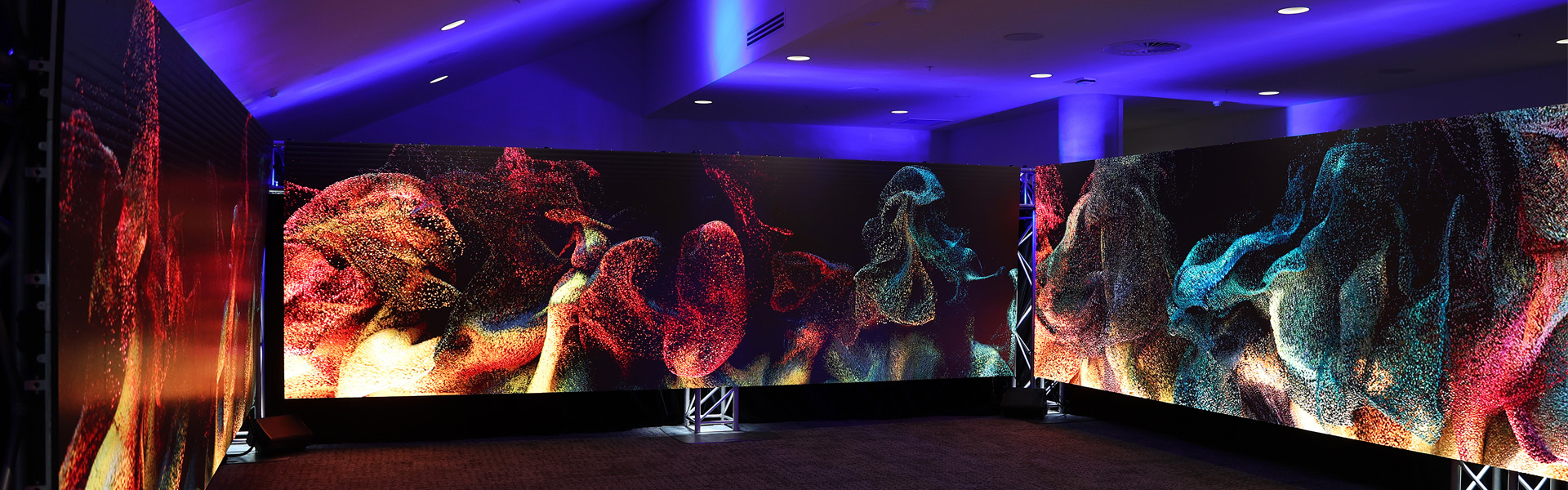
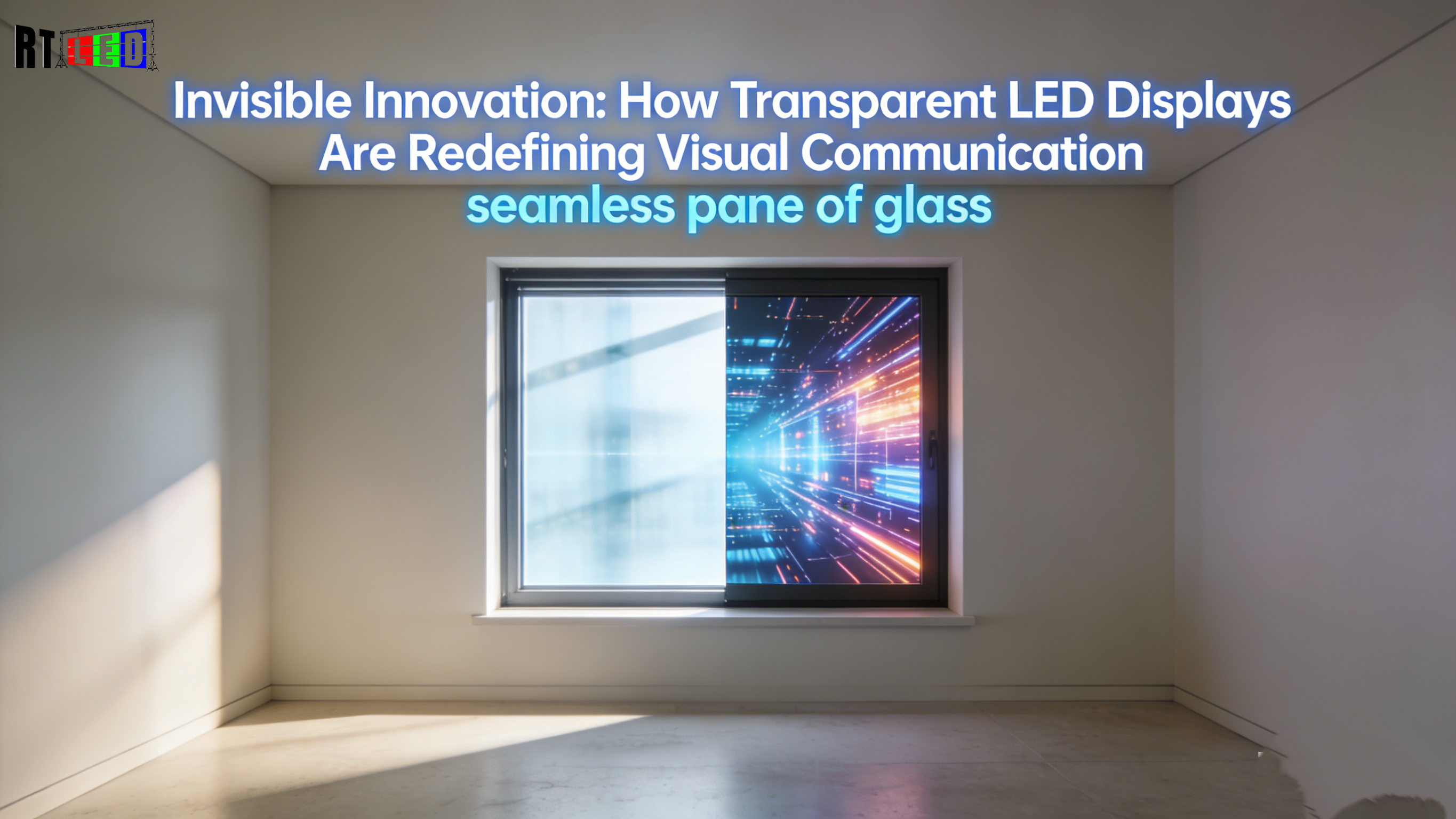
Imagine a window into the future—a seamless pane of glass that transforms in an instant from crystal-clear transparency to a vibrant, high-definition digital display. This is not science fiction; it is the reality crafted by Transparent LED Display Technology. Moving beyond the opaque solidity of traditional screens, transparent LED panels are revolutionizing retail, architecture, and experiential design by merging the digital and physical worlds like never before. This technology doesn’t just show content; it enhances views, preserves spaces, and creates magical layers of information that float in mid-air.
What is a Transparent LED Display?
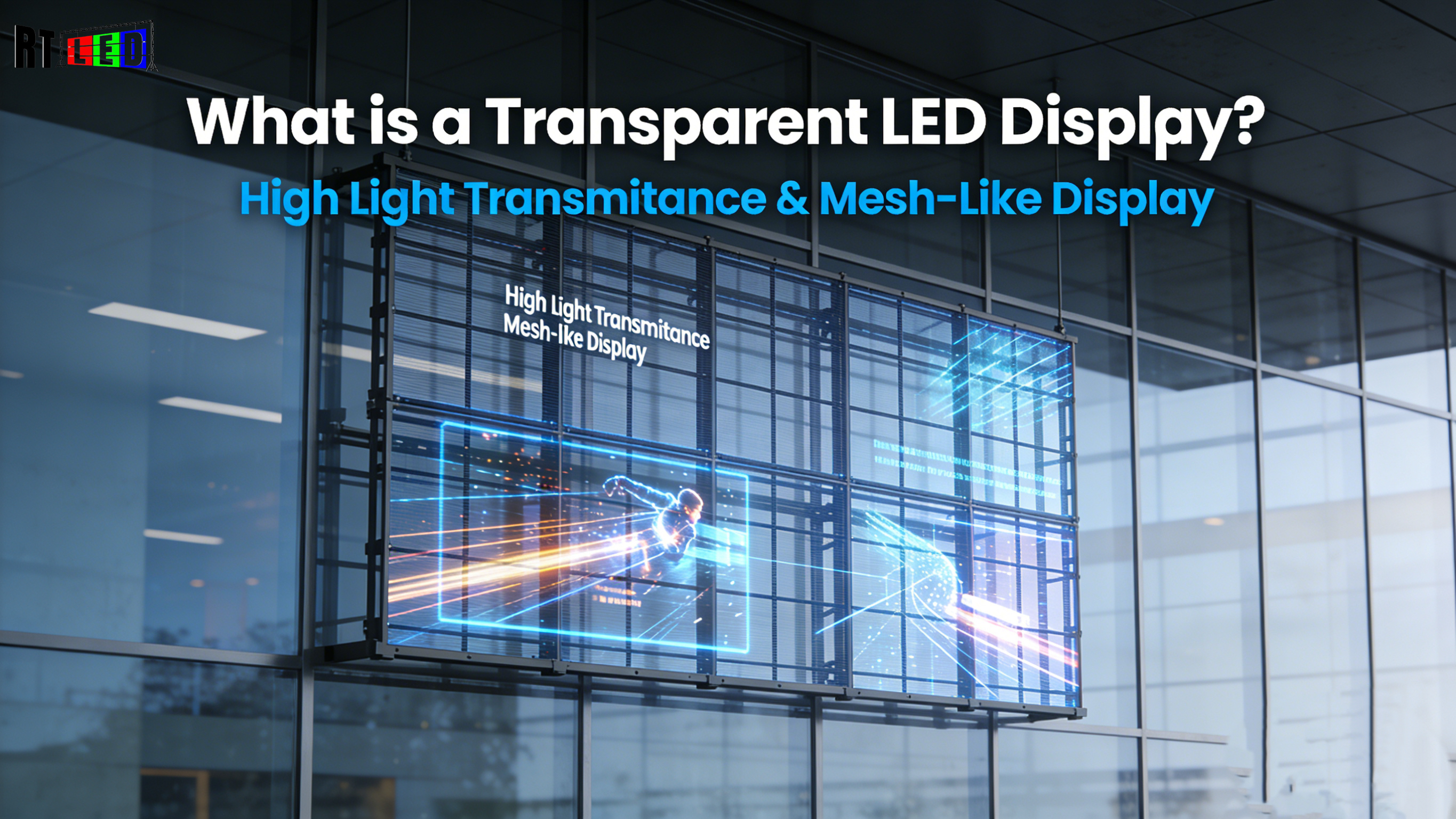
A Transparent LED Display is a cutting-edge screen technology that offers a high degree of light transmittance, allowing viewers to see both the dynamic digital content on the screen and the physical environment behind it. Unlike standard LED video walls that block all background, these panels are built with specially designed LED lamp beads mounted on transparent substrates, such as glass or clear polymer. The result is a mesh-like display that can be installed directly onto windows, glass walls, or as standalone structures, creating stunning visual effects without completely obstructing light or view.
It represents the perfect marriage of form and function, turning everyday transparent surfaces into intelligent, dynamic canvases.
Core Technology & Unparalleled Features
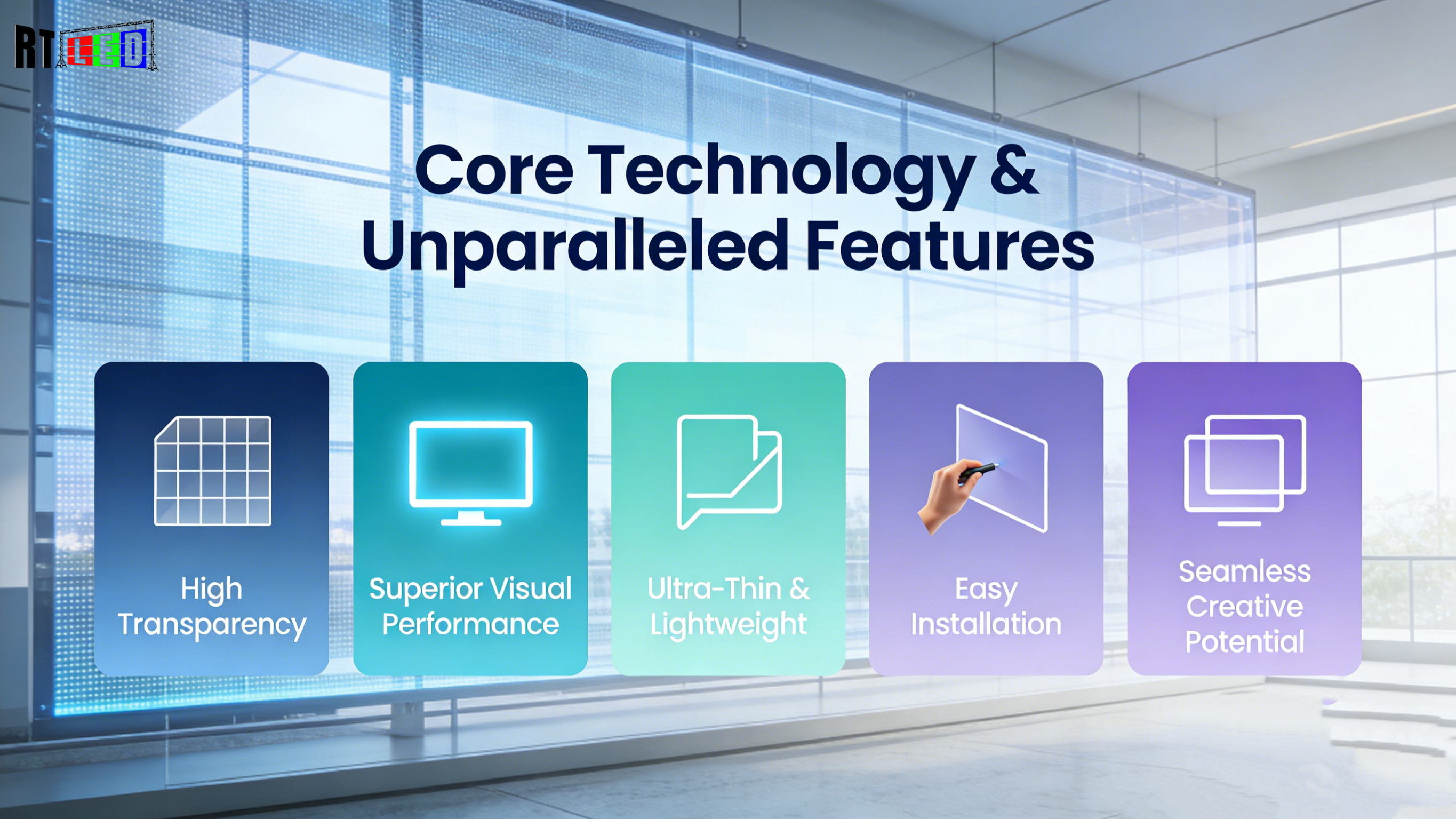
The magic of transparent LED screens lies in their sophisticated engineering, which balances exceptional display performance with remarkable see-through quality.
- High Transparency & Aesthetic Integration: This is the defining feature. With light transmittance typically ranging from 65% to 90%, these displays maintain the primary function of windows—allowing natural light to flood in and preserving outside visibility. This makes them architecturally friendly, eliminating the “black hole” effect of traditional screens when powered off and enabling stealthy integration into building façades and storefronts.
- Superior Visual Performance: Despite their transparency, these displays deliver brilliant, high-resolution imagery. With fine pixel pitches (e.g., P3.9, P5.9, P7.8) and high brightness levels (>5,000 nits), content remains vivid and readable even in direct sunlight. Advanced color calibration ensures rich, accurate hues for captivating visuals.
- Ultra-Thin, Lightweight & Energy-Efficient: Panels are remarkably slim, sometimes as thin as 10mm, and lightweight per square meter. This simplifies installation and reduces structural load. Furthermore, LED technology is inherently energy-efficient, consuming significantly less power than conventional displays, especially when showing content with black backgrounds (where LEDs remain off).
- Easy Installation & Maintenance: Many transparent LED systems feature front-access maintenance and modular, cabinet-based designs. This allows for quick assembly, disassembly, and easy replacement of individual modules without disturbing the entire installation—a critical advantage for complex setups.
- Seamless Creative Potential: The transparent nature opens up limitless creative applications. Content can be designed to interact with or complement the background view. For example, digital butterflies might appear to flutter around real products in a window display, or historical data might overlay an artifact in a museum case.
Transformative Applications Across Industries
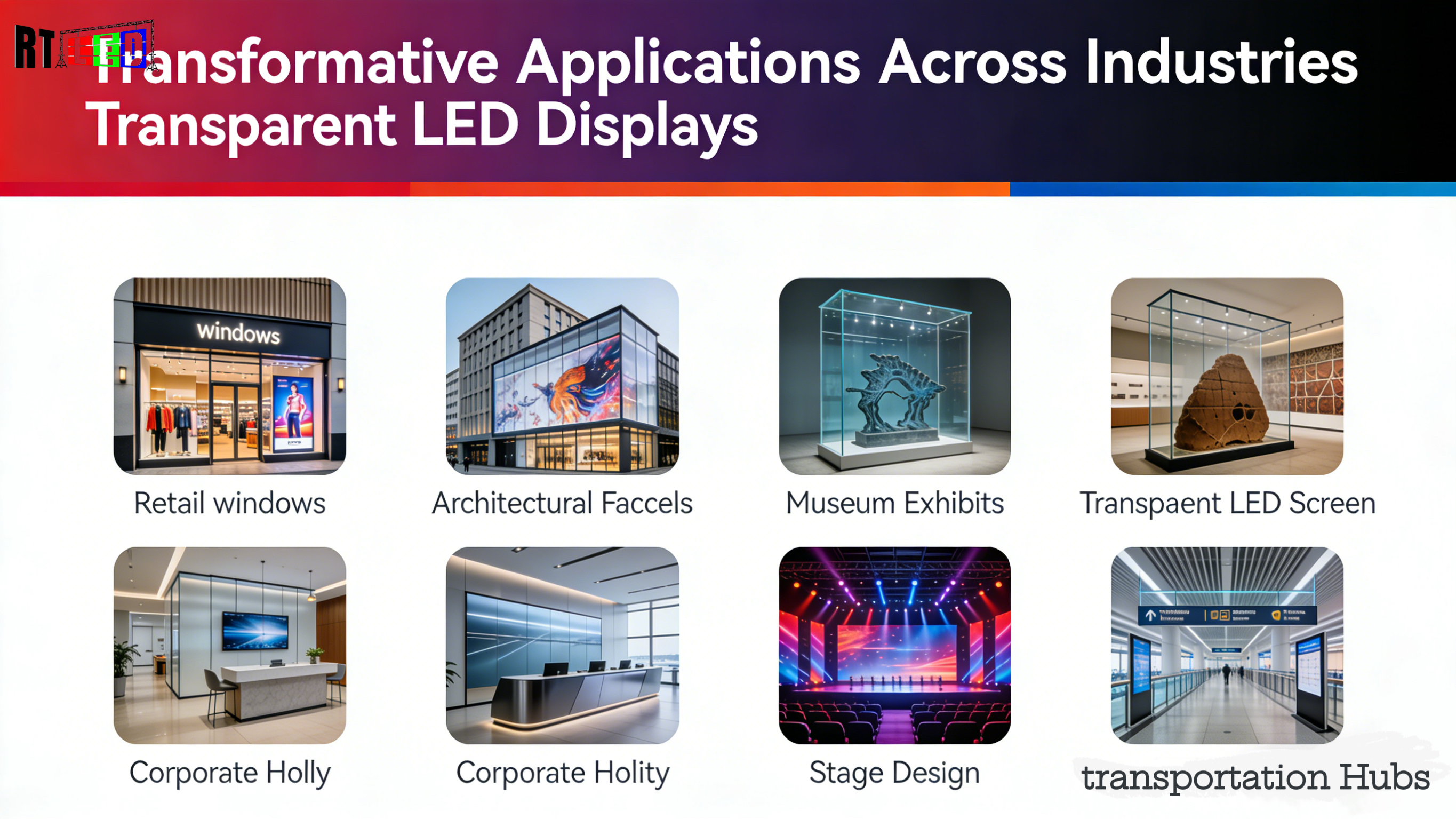
Transparent LED technology is unlocking new possibilities for engagement and communication in numerous sectors:
- Retail & Commercial Windows (Retailtainment): This is a game-changer for brick-and-mortar stores. Brands can transform their static shop windows into interactive digital portals. By day, the screen is nearly invisible, showcasing the store interior. By night, it becomes a dazzling advertising billboard. During promotions, product videos can float superimposed over the actual merchandise, creating a “digital layer” that enhances physical products without hiding them.
- Architectural Façades & Building Integration: Modern architecture embraces smart glass. Transparent LEDs can be integrated into glass curtain walls, skylights, and interior partitions. They can display building information, artistic animations, or corporate branding while maintaining the building’s aesthetic design and the occupants’ connection to the outside world.
- Museums, Galleries & Exhibitions: In cultural venues, preserving the integrity of artifacts and artworks is paramount. Transparent displays can be installed in front of exhibits to provide dynamic explanations, historical context, or animated stories, enriching the visitor experience without placing physical barriers between them and the object.
- Corporate & Hospitality Spaces: In lobbies of corporate headquarters, luxury hotels, or high-end showrooms, transparent LED screens serve as sophisticated information points, welcome boards, or brand showcases. They add a high-tech, premium feel without making the space feel closed off or dominated by technology.
- Stage & Event Design: For concerts, theater productions, and corporate events, transparent screens create breathtaking stage effects. Performers can be seen behind the screen, with graphics, lyrics, or virtual environments layered in front of or around them, adding depth and immersion to the live performance.
- Transportation & Public Infotainment: Installed in airports, subway stations, or on vehicle windows, they can show schedules, news, or advertisements while allowing passengers to maintain their situational awareness—a significant safety and user-experience benefit.
Key Considerations for Implementation
To successfully deploy a transparent LED display, several factors must be evaluated:
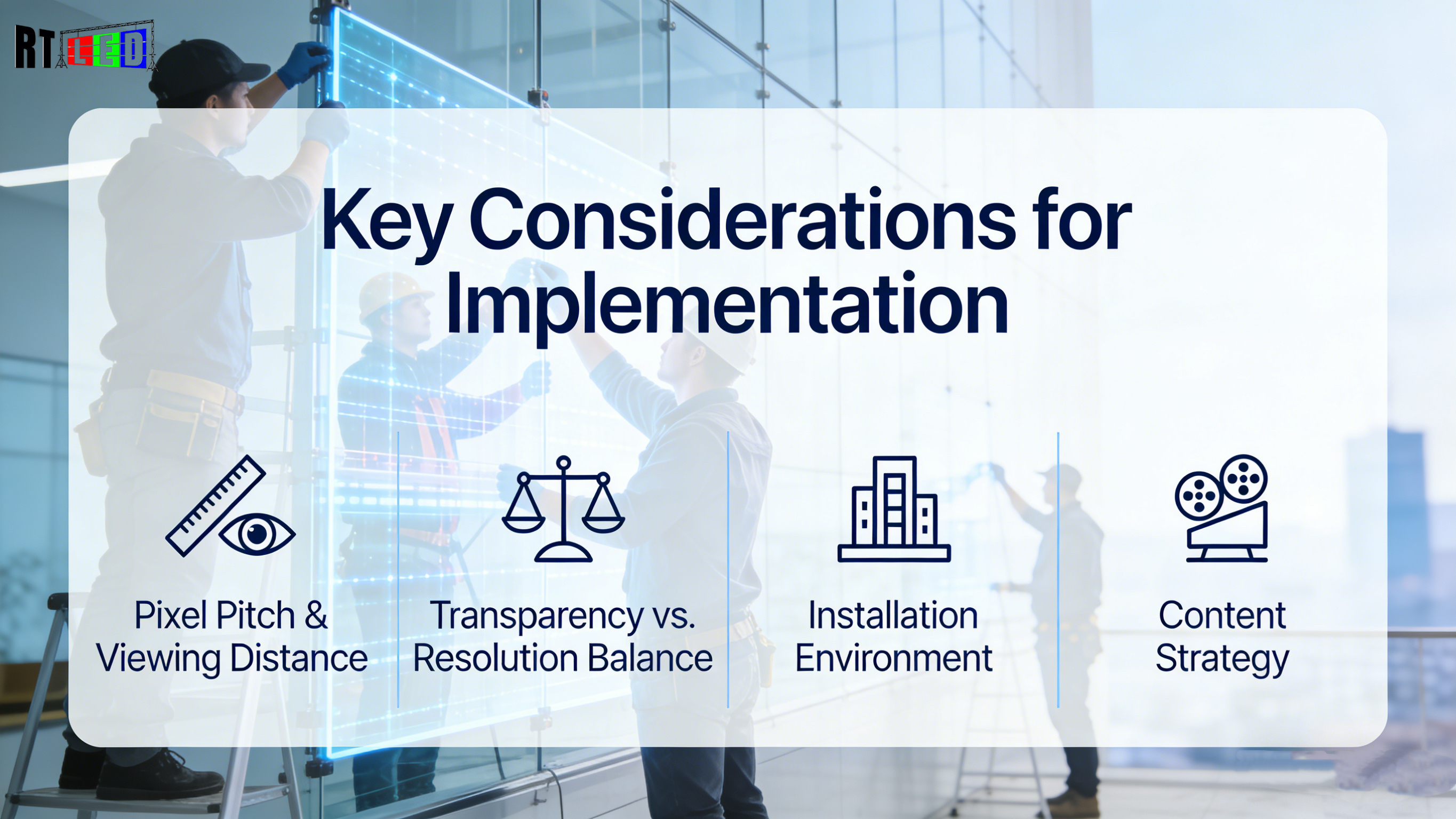
- Pixel Pitch & Viewing Distance: Choose the appropriate pixel density based on the typical viewing distance. A P7.8 pitch is cost-effective for large installations viewed from several meters away (e.g., building façades), while a finer P3.9 pitch is better for close-range interactions in retail windows.
- Transparency vs. Resolution Balance: Higher transparency often means slightly lower pixel density, as more space is needed for light to pass through. The project’s priority—maximum see-through clarity or maximum image sharpness—will guide the selection.
- Installation Environment & Structure: Assess the mounting surface (glass, metal frame, custom structure), environmental conditions (indoor vs. outdoor IP-rated products), and access to power and data connections. Professional structural analysis is often required.
- Content Strategy: The content must be designed with transparency in mind. Clever use of negative space, alignment with physical backgrounds, and motion graphics that enhance rather than overwhelm are key to leveraging the technology’s full potential.
The Future is ClearThe trajectory of transparent LED technology points toward even greater invisibility and flexibility. We are advancing toward micro-LED technology on transparent substrates, promising higher resolutions with even better transparency. Future developments may include more flexible, even rollable transparent screens, and deeper integration with IoT sensors and AI, allowing displays to react in real-time to audience demographics, weather, or traffic data.
Conclusion: Redefining the Boundary Between Digital and Physical
Transparent LED displays are more than just a novel type of screen; they represent a philosophical shift in visual communication. They respect and enhance the existing environment rather than replacing it. By superimposing digital information onto the real world, they create a powerful new layer of storytelling, advertising, and design.
In an era where immersive experience is king, and architectural aesthetics are paramount, transparent LED technology offers an elegant, efficient, and astonishingly beautiful solution. It turns passive surfaces into active communication hubs, proving that the most powerful displays aren’t those you see, but those that let you see through them.
Ready to bring clarity and impact to your space? Contact our expert team today to discover how a custom transparent LED display solution can illuminate your vision without obscuring your view.
Post time: Dec-11-2025


